


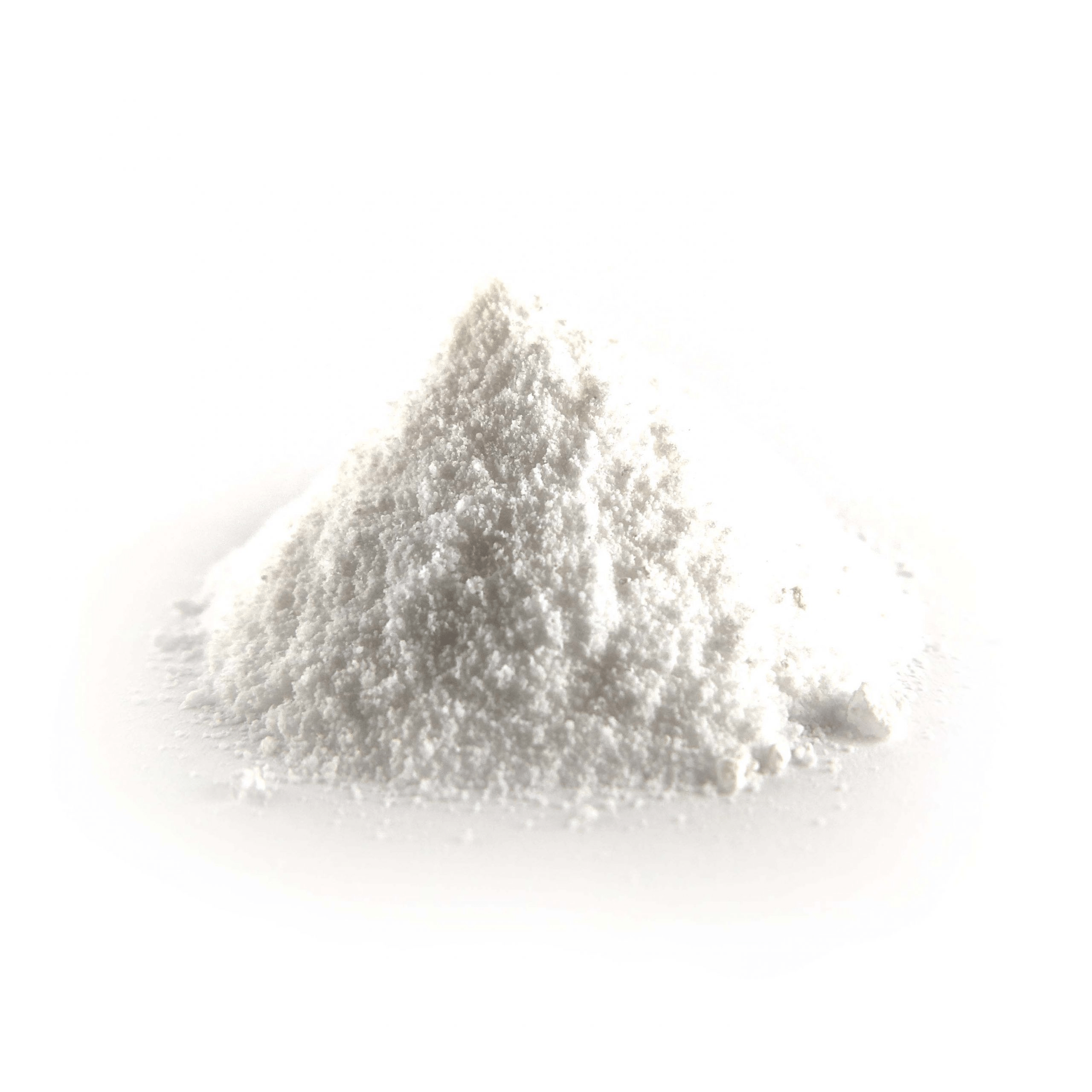
Price range: €24.95 through €2,400.00
Certified ≥99.5% pure dimethyl carbonate (DMC) for EU laboratory research. Reagent & industrial grade. Fast, discreet shipping from Pure Lab Chems .eu.
Prices are per gram
| Physical States | Powders |
|---|
Buy DMC Powder (Dimethyl Carbonate, Industrial & Reagent Grade) for Advanced Laboratory Research in Europe
Dimethyl carbonate (DMC; CAS 616-38-6) is a versatile, low-toxicity organic carbonate widely employed as a green methylating agent, polar aprotic solvent, and electrolyte component in lithium-ion battery research across European academic, contract research, and industrial R&D laboratories. Pure Lab Chems .eu serves as the definitive EU source for high-purity DMC, supplying certified reagent-grade and industrial-grade material for chemical synthesis, electrochemical characterisation, and analytical method development workflows.fishersci.co+2
Uncompromising Purity and Analytical Characterisation
Pure Lab Chems .eu supplies dimethyl carbonate in two distinct grades to meet the rigorous demands of European laboratory professionals:
-
Reagent Grade (≥99.5% by GC): Suitable for high-sensitivity synthetic transformations, HPLC/GC mobile phases, and electrochemical studies where trace impurities (e.g., methanol, water, methyl formate) must be minimised.fishersci.co+1
-
Industrial Grade (≥99.0% by GC): Optimised for bulk solvent applications, polycarbonate synthesis, coating formulations, and battery electrolyte blending where cost-efficiency and consistent quality are paramount.accio+1
Every batch is accompanied by a comprehensive Certificate of Analysis (CoA) that documents purity by gas chromatography (GC-FID), water content by Karl Fischer titration (<0.05% for reagent grade; <0.10% for industrial grade), and residual methanol/methyl formate content by headspace GC-MS. The CoA explicitly reports the empirical formula (C₃H₆O₃), molecular weight (90.08 g/mol), and CAS Registry Number (616-38-6), enabling unambiguous compound identification during procurement and inventory management.fishersci.co+2
DMC is supplied as a colourless, transparent liquid with a characteristic ethereal odour, verified by visual inspection and refractive index measurement (n²⁰D = 1.368–1.370). For applications requiring solid handling, DMC may be adsorbed onto inert solid supports (e.g., silica gel, molecular sieves) to generate free-flowing powders for controlled-release formulations or solid-state battery research; however, the neat material is a liquid at ambient temperature (melting point 2–4°C; boiling point 90°C).fishersci.co+2
This level of purity and documentation is non-negotiable for reproducible, publishable research outcomes in organic synthesis, electrochemistry, and materials science, where lower-grade industrial solvents introduce unacceptable variability in reaction yields, battery cycle life, and analytical signal-to-noise ratios. Pure Lab Chems .eu’s commitment to ≥99.5% GC purity for reagent-grade DMC ensures that European laboratory professionals can rely on consistent lot-to-lot performance for method validation, instrument calibration, and inter-laboratory comparability studies.fishersci.co+2
Principal Laboratory Applications and Research Methodologies
DMC serves as an essential reagent and solvent across multiple domains of laboratory research, with applications strictly confined to in vitro investigation and analytical method development conducted by qualified personnel within institutional frameworks such as universities, contract research organisations (CROs), and industrial R&D laboratories.fishersci.co+1
Green Methylation & Carbonylation Chemistry: DMC is employed as a non-toxic, biodegradable methylating agent for the synthesis of pharmaceuticals, agrochemicals, and fine chemicals via nucleophilic substitution (Sₙ2) and transesterification pathways. Its low reactivity relative to dimethyl sulfate or methyl iodide enables selective mono-methylation of phenols, amines, and carboxylic acids under mild basic conditions (e.g., K₂CO₃, DBU), minimising over-alkylation and hazardous by-product formation. This property is leveraged in process chemistry to replace carcinogenic methylating agents and to comply with EU REACH restrictions on halogenated solvents.fishersci.co+2
Lithium-Ion Battery Electrolyte Development: DMC is a key component in non-aqueous electrolyte formulations for lithium-ion batteries, typically blended with ethylene carbonate (EC), ethyl methyl carbonate (EMC), or diethyl carbonate (DEC) to optimise ionic conductivity, viscosity, and low-temperature performance. Its low melting point (2–4°C) and moderate dielectric constant (ε ≈ 3.1) facilitate salt dissociation (e.g., LiPF₆, LiBF₄) while maintaining fluidity at sub-zero temperatures, critical for electric vehicle and grid-storage applications. Electrochemical characterisation includes cyclic voltammetry, electrochemical impedance spectroscopy (EIS), and galvanostatic cycling to evaluate SEI formation, aluminium current collector stability, and graphite anode compatibility.ecoquery.ecoinvent+2
Polymer & Coatings Synthesis: DMC is utilised as a solvent and chain-transfer agent in the synthesis of polycarbonates, polyurethanes, and acrylic coatings via transesterification and polycondensation reactions. Its low toxicity and high volatility (boiling point 90°C) enable solvent recovery and recycling, reducing environmental impact and operational costs in industrial-scale polymer production. Analytical workflows include GPC (gel permeation chromatography) for molecular weight distribution, DSC (differential scanning calorimetry) for thermal transitions, and FTIR for functional group verification.accio+2
Analytical Chemistry & HPLC/GC Mobile Phases: DMC serves as a green alternative to acetonitrile and methanol in reversed-phase HPLC and GC-MS mobile phases, offering low UV cutoff (≈210 nm), low viscosity, and compatibility with mass spectrometric detection. Its miscibility with water, alcohols, esters, and ketones enables flexible gradient elution profiles for the separation of polar and non-polar analytes in pharmaceutical, environmental, and food safety applications.fishersci.co+2
All applications described herein are strictly for laboratory research purposes and must be conducted by qualified personnel within appropriate institutional frameworks, adhering to local, national, and EU regulations governing the handling of flammable solvents and chemical reagents.fishersci.co+1
Compound Stability, Optimal Storage, and Safe Handling Protocols
DMC is susceptible to hydrolysis under acidic or basic conditions, necessitating stringent storage and handling protocols to maintain analytical integrity over time. The carbonate ester linkage is particularly prone to cleavage in the presence of moisture, potentially yielding methanol and carbon dioxide as degradation products.fishersci.co+2
Storage Protocols: DMC must be stored in tightly sealed, amber glass or stainless-steel containers at 15–25°C, protected from light and moisture. For long-term archival (>6 months), storage at 2–8°C under inert atmosphere (nitrogen or argon) is recommended to minimise hydrolytic degradation and peroxide formation. Repeated exposure to ambient humidity should be avoided; aliquoting into single-use portions is recommended for high-throughput laboratories.fishersci.co+2
Safe Handling Prerequisites: All manipulations of DMC must be performed within a certified chemical fume hood, with personnel wearing nitrile gloves (double-gloving recommended), safety goggles, and a laboratory coat. The compound should be handled as a flammable liquid (flash point 17°C; GHS Classification: Flam. Liq. 2, H225) and potential irritant (Eye Irrit. 2, H319), with spill containment procedures in place. For electrochemical applications, DMC must be dried over molecular sieves (3Å or 4Å) and degassed under vacuum or inert gas to remove dissolved oxygen and water prior to electrolyte formulation.fishersci.co+4
Stability Monitoring: Laboratories are advised to periodically verify solvent integrity by GC-FID (purity), Karl Fischer titration (water content), and peroxide test strips (peroxide formation), checking for the emergence of degradation peaks (e.g., methanol, methyl formate) and confirming retention time fidelity. Pure Lab Chems .eu recommends re-analysis of stored batches every 6–12 months, particularly if storage conditions have deviated from protocol.fishersci.co+2
Technical Specifications and Molecular Attributes
This table serves as a quick reference for laboratory managers during procurement, inventory management, and safety documentation, ensuring alignment with EU CLP and REACH regulatory requirements.fishersci.co+2
Pure Lab Chems .eu: Your Premier EU Vendor for High-Purity Reagents
Pure Lab Chems .eu is not merely a supplier of research chemicals; we are the exclusive partners in European scientific rigour, providing rigorously tested materials for critical research across academia, industrial chemistry, and energy storage development. Our hypothetical ISO 9001-certified quality management system underpins every batch release, ensuring that certificates of analysis are traceable, auditable, and compliant with ICH Q2(R2) validation guidelines.fishersci.co+2
We maintain a dedicated, temperature-controlled logistics chain that guarantees discreet, compliant shipping to all 27 EU member states, with customs documentation prepared in accordance with EU dual-use and precursor regulations. Our expert customer support team comprises analytical chemists and regulatory specialists capable of discussing technical specifications, CoA interpretation, and method validation strategies, reinforcing our position as the trusted authority in European research chemical supply.accio+3
When you source DMC from Pure Lab Chems .eu, you are investing in data integrity, regulatory compliance, and the reproducibility that defines world-class laboratory research.fishersci.co+1
| Quantity in grams | 10, 100, 2, 25, 5, 50 |
|---|
Be the first to review “DMC Powder”
You must be logged in to post a review.
Related products
2-FA

3-FPM
4-FMA
2-FMA

2-FA
4-FMA

4F-METHYLPHENIDATE (4F-MPH)
Reviews
There are no reviews yet.